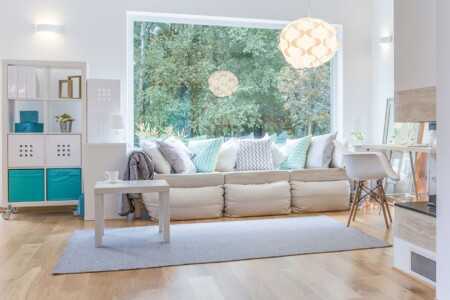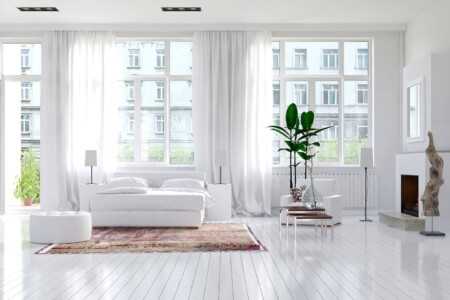
Would this 2 persons 1-room studio in Hurghada Arabia be a good choice for school-age children?
-

 by superadmin
- 27/04/2025
- Hurghada Holiday Apartments
- 0

Evaluating the suitability of a 2-person 1-room studio in Hurghada Arabia for school-age children
Choosing the right living space for school-age children is essential for their comfort, growth, and daily routine. When considering a 2-person 1-room studio in Hurghada Arabia, several factors come into play that affect whether this type of accommodation can meet the needs of young learners effectively.
Space and privacy considerations
One-room studios typically combine sleeping, living, and study areas in a single open space. This limited separation can pose challenges for school-age children, whose need for privacy and a quiet area to focus on their homework or online learning is important. In a 2-person 1-room studio, space constraints might make it difficult to create distinct zones for play, rest, and study.
For young children, a smaller, compact living area may be manageable, but as they grow older, the lack of personal space could affect their ability to concentrate and unwind. It’s crucial to evaluate if the micro-environment in the studio can be adapted thoughtfully using room dividers, furniture with multifunctional purposes, or creative storage solutions.
Safety and comfort in Hurghada Arabia’s environment
Hurghada Arabia offers a warm climate and is well-known for its vibrant community and safe neighborhoods. The studio’s location within this context is important for families with children. Proximity to parks, recreational areas, and schools should be assessed to ensure that children have safe and easy access to places where they can socialize and stay active.
Additionally, outdoor space around the studio building plays a critical role. While a studio itself is compact, access to common areas like playgrounds, gardens, or courtyards is beneficial for school-age children’s development and well-being. In Hurghada, the availability of community amenities and the building’s design can make a noticeable difference in the living experience.
Educational facilities and daily routine
The suitability of this studio also depends on distance to educational institutions. Hurghada has several schools, both local and international, that cater to diverse curricula. Parents must consider how easily children can get to school from the studio, factoring in transportation options and commute times.
Since the studio is designed for just two people, families with more than one school-age child may find the space insufficient for study areas or shared activities. Alternatively, if only one child requires accommodation in this space, the compact nature can encourage independence but might require additional support spaces outside the home, such as libraries, tutors, or community centers.
Living arrangements and daily activities
School-age children have specific needs concerning sleep quality, study environment, and playtime. A 1-room studio built for two adults optimizes space for a couple but may lack the capacity to comfortably support the varying needs of children throughout their day. For example:
- Sleeping arrangements: Beds or sleeping mats must be arranged to allow restful, uninterrupted sleep for children.
- Study space: A dedicated desk area with proper lighting is essential but can be difficult to fit into a small, shared room.
- Play and free time: Space for toys, books, or crafts is limited, which could impact a child’s creativity and engagement indoors.
Potential benefits of a 2-person studio for children
Despite challenges, some families may find advantages in this type of accommodation, especially if they value simplicity and minimalism. The studio promotes close family interaction and teaches children how to share space and belongings effectively. It’s also easier to maintain and keep clean, potentially reducing stress for parents who juggle work and childcare.
Moreover, choosing a studio in a secure building with good lighting and ventilation supports healthy living conditions, which is fundamental for children’s growth. Access to shared facilities like pools, gyms, or community events in Hurghada Arabia can help compensate for the limited indoor space.
Key points to consider before making a decision
- Size and layout of the studio: Can the space be divided or arranged to create quiet study areas?
- Proximity to schools and transportation options: Is the commute manageable and safe?
- Safety of the neighborhood and building facilities: Is the environment child-friendly and secure?
- Availability of outdoor and communal spaces: Are there areas where children can play and socialize?
- Long-term needs: Will the studio suit the child’s growing phases and changing routines?
A 2-person 1-room studio in Hurghada Arabia can be a functional choice for school-age children under certain conditions. Families must weigh the benefits of simplification and location against the potential limitations in privacy, space, and study environment. Thoughtful customization of the studio and access to external amenities can improve the living experience, making it a viable option for some parents seeking a compact yet community-oriented lifestyle for their children.
Practical tips for maximizing small living spaces for families with children in vacation settings
Maximizing space efficiency in compact vacation homes
When families with children stay in small living spaces during vacations, especially studios or compact apartments, making the most of every square foot becomes essential. The challenge often feels daunting, but with thoughtful planning and practical strategies, even the smallest rooms can become comfortable, functional, and enjoyable for everyone.
Choosing multi-functional furniture
One of the smartest moves for small vacation accommodations is to prioritize furniture that serves more than one purpose. This approach reduces the number of pieces needed and keeps the space from feeling cluttered.
- Convertible Beds: Beds that fold into sofas or wall units free up floor space during the day, giving children room to play or study.
- Storage Ottomans: These provide both seating and hidden compartments for toys, books, or clothes.
- Foldable Tables: Tables that collapse when not in use allow dining or homework areas to appear only when necessary.
Creating designated zones within the space
Even in a single room, defining areas for different activities helps children feel settled and supports a routine. Using visual or physical dividers can make the space feel organized and calm.
- Use Rugs or Mats: A colorful rug can mark a play zone, making it a familiar and inviting spot for kids.
- Low Shelves: Positioning shelves to separate sleeping and play areas can create a sense of privacy without closing off the room.
- Portable Screens: Lightweight room dividers or curtains can temporarily section off areas, which can be very useful during different parts of the day.
Smart storage solutions to reduce clutter
Keeping a tidy space not only improves the appearance but also reduces stress for parents managing children in a small environment. Streamlined storage means things are easy to find and put away, creating a sense of order.
- Vertical Storage: Utilize wall space with hooks or hanging organizers for backpacks, jackets, or small toys.
- Under-bed Containers: When possible, use storage bins under beds to keep seldom-used items out of sight.
- Clear Boxes: Transparent storage lets everyone quickly identify the contents, speeding clean-up times.
Maximizing natural light and ventilation
Light and air significantly affect how spacious a room feels. Maximizing these elements contributes to a healthy environment, which is particularly important for children during vacations.
- Keep Windows Unobstructed: Avoid heavy curtains blocking daylight to keep the room bright.
- Use Light Colors: Walls and furnishings in soft tones reflect light better and enhance the illusion of space.
- Ventilation Fans or Portable Air Purifiers: These maintain airflow and improve air quality, making the space more comfortable.
Maintaining a kid-friendly environment in small rooms
Small spaces must remain safe and accessible for children. This means choosing materials and layouts that cater to their needs without overwhelming the limited areas.
- Rounded Furniture Edges: Soften sharp edges to prevent accidental injuries in tight quarters.
- Low-Height Furniture: Select child-friendly chairs and tables that are proportional to their size and encourage independence.
- Easy-to-Clean Surfaces: Opt for washable fabrics and surfaces that withstand spills and frequent clean-ups.
Interactive and educational elements
Even on vacation, keeping children engaged and stimulated is crucial. Compact spaces can still be enriched with thoughtful touches that encourage learning and creativity.
- Portable Learning Kits: Small boxes with puzzles, coloring supplies, and books can be stored easily and brought out as needed.
- Wall-Mounted Chalkboards or Whiteboards: These provide an area for doodling, writing, or practicing schoolwork without taking up floor space.
- Interactive Play Mats: Foldable mats with educational themes can double as play areas and learning tools.
Establishing a routine tailored to small-space constraints
Living in a small vacation room works best when the family sets a clear daily routine that balances play, rest, and study, adapting to the limitations of the space.
- Regular Tidy-Up Times: Involve children in quick cleanup sessions to keep the space manageable.
- Scheduled Outdoor Activities: Plan frequent breaks outside to give children time to expend energy beyond the small indoor area.
- Quiet Time Corners: Create soothing nooks for reading or napping to recharge without distractions.
By carefully selecting multifunctional furnishings, defining clear activity zones, and embracing clever storage options, families can transform even the smallest vacation rooms into cozy, organized, and joyful retreats. Prioritizing natural light and safety alongside interactive elements makes these spaces not just livable but truly enjoyable for school-age children and their parents alike.
Summary of key points
Choosing a 2-person, 1-room studio in Hurghada Arabia for school-age children requires careful consideration of space, comfort, and daily needs. While this type of accommodation is often designed for short-term stays or couples, it can pose challenges for families with children, especially when it comes to privacy and having enough room for activities and rest. However, with thoughtful planning, small spaces can be adapted to work for families.
Maximizing the limited area means using multipurpose furniture, creative storage solutions, and establishing clear routines to keep the environment organized. Bringing along portable educational tools and toys can help keep school-age children engaged without overwhelming the living space. Additionally, taking advantage of outdoor areas in Hurghada—like parks or beaches—can enrich the children’s experience and provide necessary space to play and learn outside the confines of the studio.
For families considering this option, it’s important to weigh the studio’s convenience and location against the practical needs of children. If the stay is brief and the children are adaptable, a 1-room studio can be manageable. Still, for longer visits or greater comfort, seeking accommodations with separate sleeping or living areas might better support children’s well-being. Ultimately, understanding both the benefits and limitations helps you make an informed decision that ensures a pleasant, safe, and stimulating environment for your school-age children during your stay in Hurghada Arabia.