Could this 3 persons 2-bedroom apartment in Hurghada sakkala meet the needs of families with blended families?
-

 by superadmin
- 20/04/2025
- Hurghada Holiday Apartments
- 0
Evaluating the suitability of a 3-person, 2-bedroom apartment in Hurghada sakkala for blended families
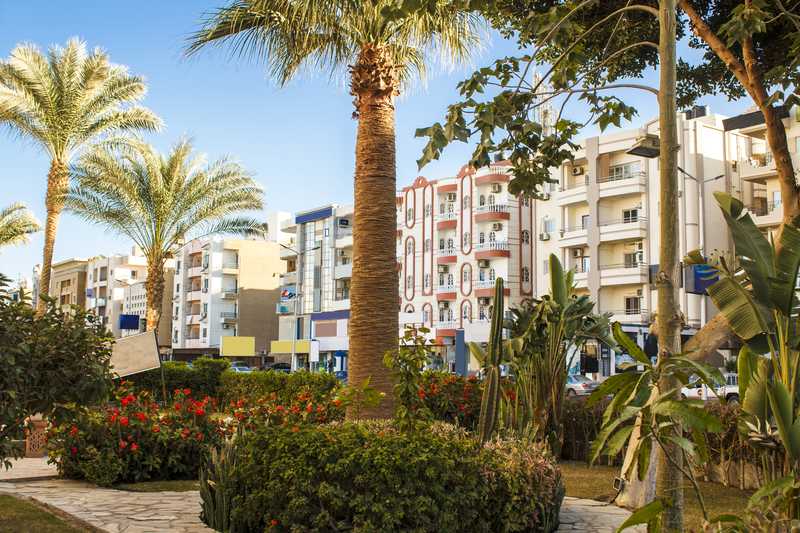
Finding the right living space for a blended family often comes with unique challenges. When considering a 3-person, 2-bedroom apartment in Hurghada Sakkala, it’s essential to understand how well this housing option aligns with the dynamic needs of families that combine members from previous relationships. Hurghada Sakkala is a vibrant neighborhood, offering access to amenities, schools, and recreational spots, but how does a relatively small apartment fit into the daily life of a blended family? Let’s examine key factors that influence whether this apartment type can meet those needs effectively.
Understanding the layout and space utilization
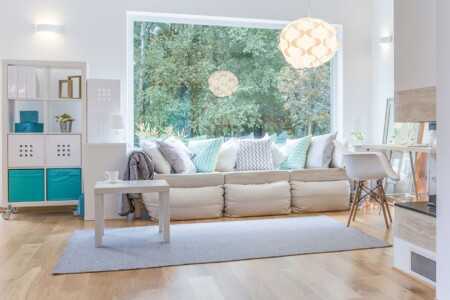
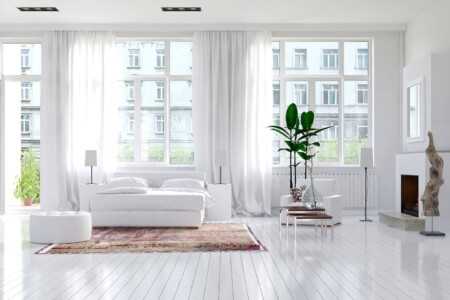
A 2-bedroom apartment designed for three people inherently limits the amount of private space available. In the context of a blended family, where children may vary in age and require distinct sleeping and study areas, space becomes a crucial element. Typically, a 2-bedroom apartment features:
- A master bedroom suitable for adults or parents
- A secondary bedroom intended for one or two children
- A combined living and dining area serving multiple functions
- One or two bathrooms, depending on the specific unit
Since blended families often include more than three members—whether children or adults—this apartment size may challenge privacy and individuality. However, some inventive solutions can help maximize comfort, such as arranging bunk beds in the smaller bedroom or using room dividers to create private nooks.
Considerations for privacy and personal space
Privacy is often a major concern for blended families because members come from different parental arrangements and family cultures. A 3-person unit assumes that only three individuals live here, but blended families often exceed this count. If multiple children share a room, their privacy needs might not be fully met. Similarly, parents could find it difficult to balance private time with shared family moments.
Hurghada Sakkala apartments may sometimes have layouts that allow for flexible furniture placement, which families can adapt to better separate communal and personal spaces. Furthermore, finding apartments with additional features such as balconies or small study areas might improve the living experience for blended families despite the limited number of bedrooms.
Functionality and storage capacity
The efficiency of storing belongings plays a significant role in smaller living environments. Blended families generally have more belongings due to multiple children and adults living under one roof. A 3-person 2-bedroom apartment could struggle with accommodating all necessities, including clothing, toys, school supplies, and household items.
Look for apartments in Hurghada Sakkala that offer built-in closets, extra storage rooms, or the possibility to add shelving. Optimizing vertical space and incorporating multi-functional furniture like beds with storage drawers or expandable tables can help make the most of available space.
Access to community and amenities
Living in Hurghada Sakkala offers family-friendly benefits. The area is known for good access to schools, parks, and social facilities, which can ease challenges for blended families living in compact quarters. Outdoor spaces provide children the opportunity to play and socialize outside the apartment, which is crucial when indoor space is limited.
When selecting an apartment, consider proximity to:
- Quality educational institutions tailored to different age groups
- Healthcare centers
- Grocery stores and markets that cater to weekly family needs
- Public transport or parking availability for easy commuting
Being close to these amenities adds value to smaller apartments by compensating for indoor space constraints.
Community dynamics and social well-being
Blended families often benefit from a supportive neighborhood environment where children can make friends and adults can connect with others in similar life situations. Hurghada Sakkala has a diverse community that welcomes expats and locals alike, fostering a vibrant social scene.
Living in a 2-bedroom apartment within such a communal context can mean access to shared recreational areas, community events, and group activities, all of which help in nurturing close-knit bonds and improving emotional well-being.
Budget and affordability
Cost considerations are always paramount. A 3-person 2-bedroom apartment in Hurghada Sakkala might be a more affordable housing option than larger homes or multiple apartments for every family unit. This affordability can free up funds for family activities, education, and essential needs.
However, it’s worthwhile to weigh the benefits of a lower monthly rent against potential compromises in space and privacy. Families might find that spending a bit more for an extra room or larger apartment enhances comfort and reduces daily stress.
Final thoughts on suitability
While a 3-person 2-bedroom apartment in Hurghada Sakkala might not perfectly suit all blended family configurations, it can serve as a feasible option with careful planning. Small families with one or two children from different parents might find this setup manageable, especially if they prioritize location, community, and certain amenities. Innovation in space utilization and a focus on communal living areas can support family cohesion despite physical constraints.
Ultimately, if you belong to a blended family considering such an apartment, carefully assess your specific space needs, privacy requirements, and lifestyle preferences. The right apartment in Hurghada Sakkala can offer a cozy, affordable home that supports the unique rhythms of blended family life.
Design and layout considerations for family comfort in compact urban living spaces
Maximizing space efficiency in urban homes
In cities where living space is often limited, creating a home that feels spacious and comfortable requires thoughtful design and layout strategies. Families, especially those with children or blended households, need environments that accommodate diverse needs without feeling cramped. Clever use of space allows each family member to enjoy privacy while enabling shared experiences that strengthen bonds.
One effective approach is utilizing multifunctional furniture. For example, sofas that transform into beds or coffee tables with storage compartments serve dual purposes, reducing clutter and maximizing usability. Vertical solutions, such as wall-mounted shelves and fold-away desks, free up floor space and add organizational options.
Creating zones for different activities
Even in compact apartments, delineating zones for sleeping, playing, dining, and working can improve comfort and functionality. Using area rugs, lighting, or furniture arrangement helps define these areas clearly without the need for physical barriers, which might make the space feel smaller.
In a two-bedroom setup, one room could serve as a private master suite for parents, while the other can function flexibly—perhaps as a child’s bedroom, a guest room, or a shared play and study area. Deploying room dividers like folding screens or curtains provides temporary privacy, adapting according to the family’s changing needs.
Smart storage solutions to reduce clutter
Clutter often makes compact apartments feel chaotic and less comfortable. Integrating smart storage solutions can alleviate this problem significantly. Built-in wardrobes that extend up to the ceiling utilize vertical space effectively. Under-bed storage draws out hidden areas to keep belongings organized but out of sight.
Add to this the use of multi-use furniture with secret compartments or storage ottomans that serve as both seating and a place to tuck away toys or linens. Labeling storage bins and using baskets can help all family members stay organized and respect shared spaces.
Light and color to enhance mood and perception
Natural light is a crucial factor in making compact living spaces feel airy and open. Positioning furniture to allow maximum daylight to penetrate ensures rooms feel inviting rather than confined. Where natural light is limited, layered lighting options—such as overhead, task, and accent lights—can create a sense of depth and warmth.
Color choices also play a pivotal role. Soft, neutral tones on walls and larger furnishings reflect light and open up the room visually, while brighter accents in accessories and textiles add personality without overwhelming the space. Mirrors strategically placed can bounce light around and increase the perception of roominess.
Balancing privacy and family interaction
Urban family living requires a delicate balance between communal areas and private spaces. By thoughtfully planning layouts, designers ensure that families have spots where they can gather and connect, but also retreats for quiet and solitude.
For example, positioning bedrooms away from the main living area reduces noise disturbance. Providing each member with customized storage or personal corners helps encourage independence even in shared environments. Flexible spaces that easily transform—from a study area by day to a gaming zone by evening—support varied family dynamics.
Outdoor elements
Even in dense urban settings, integrating outdoor elements can enhance family well-being. Balconies, terraces, or small patios create breathing space, bringing fresh air and nature closer to daily life. Utilizing vertical gardens or planter boxes adds greenery without sacrificing precious floor area.
These outdoor spaces also provide an area for children to play safely, or for family members to unwind and socialize away from indoor confines. Ensuring easy access to such spaces encourages a healthy, balanced lifestyle, even when living compactly.
Technology and connectivity
Modern families rely on connectivity for work, education, and entertainment. technology-friendly design ensures that all residents can use digital devices efficiently without creating clutter or disrupting the balance of the space.
Charging stations built into furniture, cable management systems, and Wi-Fi optimization allow for seamless integration of technology. Designating quiet work or study zones with adequate lighting and ergonomic considerations also supports productivity in a busy home environment.
Adaptive and future-proof design elements
Family needs evolve, especially in blended households where members may change frequently. Adopting adaptive design features like modular furniture and flexible layouts helps accommodate growth and shifting requirements.
- Movable partitions that adjust room sizes
- Convertible beds and desks
- Storage systems that can expand or reorganize
Planning spaces with flexibility reduces the need for costly renovations later and makes urban family living more sustainable and responsive to change.
Summary of key design considerations
- Maximize vertical space and choose multifunctional furniture
- Create clear, cozy zones to manage multiple family activities
- Implement clever storage to maintain clutter-free environments
- Use light and color to enhance openness and mood
- Balance private retreats with interactive communal areas
- Include outdoor spaces for fresh air and greenery
- Integrate technology thoughtfully for productivity and comfort
- Ensure design adaptability to future family needs
By focusing on these strategies, compact urban homes can become welcoming, comfortable havens for families of all compositions. Thoughtful design and layout considerations allow every square foot to work harder, supporting both togetherness and individuality in bustling city settings.
Summary of key points
A 3-person, 2-bedroom apartment in Hurghada Sakkala presents a practical option for blended families seeking a balance between comfort and urban living. When evaluating its suitability, it’s important to consider how the apartment’s layout supports the unique dynamics of blended family life. Thoughtful design can maximize limited space, offering privacy where needed and creating common areas that encourage bonding among family members.
Compact living need not mean sacrificing comfort; clever use of multifunctional furniture and efficient storage solutions can transform the space to accommodate different age groups and lifestyles. The separate bedrooms provide essential personal space, which is crucial for maintaining harmony in blended households. Meanwhile, shared spaces like the living room and kitchen can be designed to foster interaction and shared experiences, supporting family cohesion.
Moreover, Hurghada Sakkala’s vibrant urban environment offers convenience and access to amenities that many families appreciate, from schools to recreational areas. This setting can enhance the overall living experience, making the apartment not just a place to stay but a supportive home base for blended families.
Ultimately, whether this specific apartment meets your family’s needs depends on your lifestyle preferences and how well the space accommodates your daily routines. With thoughtful planning and design, a 2-bedroom apartment in Hurghada Sakkala can be a comfortable and functional home for blended families of three or more.