Could this 2 people 1-room studio in Hurghada sakkala meet the needs of families with school-age children?
-

 by superadmin
- 27/04/2025
- Hurghada Holiday Apartments
- 0

Assessing the suitability of a 2 people 1-room studio in Hurghada sakkala for families with school-age children
Understanding the space constraints of a 1-room studio in Hurghada sakkala
When considering accommodation options in Hurghada Sakkala, especially a 1-room studio designed for 2 people, families with school-age children face unique challenges. Space is the foremost concern. A 1-room studio typically combines the living area, sleeping space, and kitchenette into a single open-plan environment. For two adults, this setup might provide sufficient comfort. However, adding school-age children into the mix can create a significant squeeze on available sleeping and living areas.
Families should ask themselves: how much privacy do we need? Can the studio offer distinct zones for sleeping, studying, and relaxing? Unfortunately, a 1-room layout rarely provides these separate spaces, which are crucial for children, especially as they grow older and require quiet study time or a restful environment. The lack of physical separation might affect daily routines and the overall comfort of the family.
Assessing essential amenities for families in a compact studio
Beyond space, families must consider the amenities provided within a small studio. For school-age children, a dedicated study area is important to support homework and online learning activities. In the context of a 1-room studio, setting up a functional study corner can be challenging but not impossible. It depends heavily on the studio’s layout and available furniture.
Kitchen facilities also matter. Preparing meals for a family differs significantly from cooking for two. Studios generally have compact kitchenettes with limited storage and counter space. Parents need to evaluate if these facilities can accommodate meal preparation for multiple people or if nearby dining options might compensate for kitchen limitations.
Community facilities and location advantages in sakkala
One of the significant benefits of staying in Hurghada Sakkala is its vibrant community and proximity to key amenities. Even if the internal space of the studio is tight, families can gain extra living comfort through access to community facilities. For example, playgrounds, parks, or nearby schools can provide children with space to play and learn outside the studio.
The neighborhood’s safety and availability of essential services such as supermarkets, healthcare, and transport influence the overall convenience and suitability for families. Sakkala’s central location in Hurghada offers easy access to educational institutions, which is a considerable advantage for families with school-age children.
Balancing privacy and togetherness in a shared living space
Families living in a compact 2-person studio will experience a unique dynamic of closeness but limited privacy. The ability to create personal space can be difficult. While young children might adapt to sleeping arrangements like bunk beds or fold-out sofas, older children often seek separate rooms or quiet corners. This factor is crucial for emotional well-being and academic focus.
Therefore, families should consider how they can manage time and space effectively. Rotating schedules for study time or using multi-functional furniture might help. Also, having a balcony or terrace, if available, can offer additional space for relaxation and breathing room for everyone.
Cost considerations and value for families
One reason some families might be drawn to a 1-room studio intended for two is cost-effectiveness. Rent and utility expenses for a smaller unit generally come at a lower price point than larger apartments or houses. For families mindful of their budget in Hurghada, this could be an appealing factor.
However, the trade-off between saving money and meeting the practical needs of children, such as study space, comfort, and privacy, is significant. Families must weigh whether the financial savings justify potential compromises in daily living quality.
Alternatives and enhancements for family living in a studio
If a 2-person, 1-room studio remains the sole option in Sakkala, families can consider creative solutions to maximize suitability:
- Use space-saving furniture: Folding beds, wall-mounted desks, and stackable chairs can optimize floor space.
- Employ room dividers: Portable screens or curtains can create visual separation to delineate sleeping and study zones.
- Leverage community spaces: Spend time in nearby parks, libraries, or recreational centers to supplement the small living area.
- Establish strict schedules: Create routines that accommodate quiet study times and active periods to minimize overlap and distractions.
These adjustments won’t entirely replicate the benefits of multiple rooms, but they can help make the studio more livable for families with school-age kids.
Final thoughts on suitability
While a 2 people 1-room studio in Hurghada Sakkala may provide a temporary or budget-friendly solution, it generally falls short of fully meeting the needs of families with school-age children. Students require personal space for studies and privacy, and families benefit from a living arrangement that supports diverse daily activities comfortably. Thus, unless accompanied by external support from nearby amenities, community spaces, and smart interior adaptations, such a studio might not be the ideal choice for school-age families.
Practical tips for maximizing space and comfort in small studio apartments for families
Living in a small studio apartment can present unique challenges for families, especially those with school-age children who need space for studying, playing, and relaxing. However, with smart planning and creative solutions, you can transform a compact living area into a comfortable and functional home environment. Whether you’re navigating space constraints or aiming to bring more order and calm into your family life, these practical strategies can help you make the most of every square foot.
Use multi-functional furniture to save space
One of the most effective ways to maximize space in a studio apartment is by integrating furniture that serves more than one purpose. For example, a sofa bed or a futon can be your living room seating by day and a sleeping area by night. Loft beds or bunk beds are excellent options for children, offering space beneath for desks or storage. Consider tables with fold-out leaves or storage compartments to keep toys, books, and school supplies neatly tucked away.
Furniture with built-in storage helps reduce clutter, which is critical in small spaces. Ottomans that open into storage boxes, beds with under-frames that slide out drawers, and wall-mounted shelves that don’t take up floor space are all worth exploring. By choosing versatile pieces, you ensure that your apartment remains open and welcoming, even with the diverse needs of a family.
Create dedicated zones for different activities
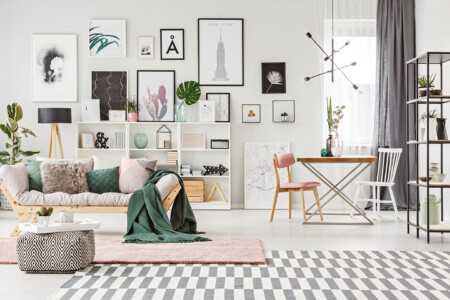
Even within a tight space, zoning can help separate activities and prevent feelings of chaos. Without physical walls, visual boundaries and thoughtful organization can define areas for sleeping, studying, eating, and playing. Use rugs to delimit the study corner, or place a bookshelf as a divider that also offers storage. This approach helps children focus better and provides a sense of privacy despite sharing a single room.
Designating a clear study area is essential for school-age children who need quiet time for homework and online classes. Make sure this space has adequate lighting, comfortable seating, and storage for their school supplies. This not only improves productivity but also encourages good study habits.
Optimize vertical space for storage
In small apartments, floor space is limited, but vertical space is often underutilized. Installing shelves up to the ceiling, hanging hooks for bags and jackets, and using tall cabinets can help you store more without crowding the living area. This is particularly useful for families because it keeps everyday items organized and off the floor, reducing trip hazards and making cleaning easier.
Wall-mounted organizers for books, toys, and school materials can streamline the daily routine and foster independence in children by keeping their belongings accessible. Pegboards and magnetic strips can also be helpful in creating flexible storage that can be adjusted as your family’s needs evolve.
Embrace light colors and reflective surfaces
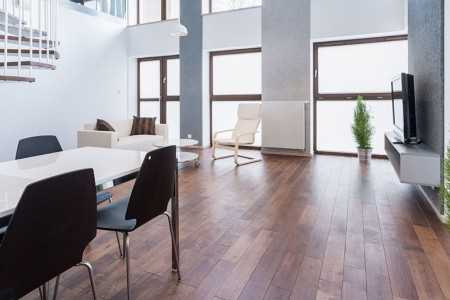
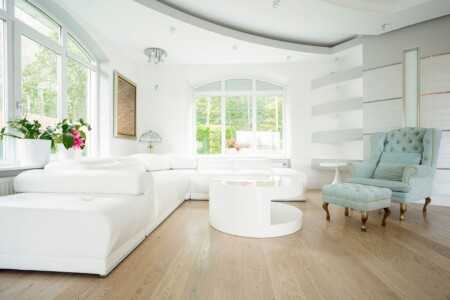
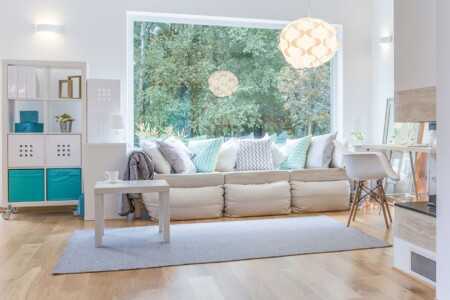
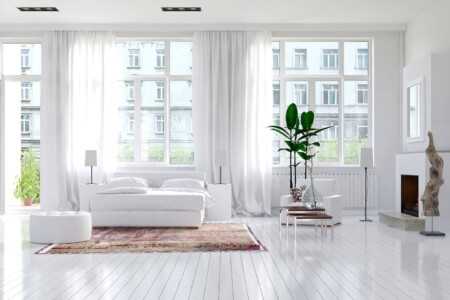
Choosing the right colors and finishes plays a significant role in making a small space feel larger and more inviting. Light colors like whites, pastels, and soft neutrals brighten the space by reflecting natural light. Mirrors can amplify this effect by bouncing light around the room, creating an illusion of depth.
Consider lighter tones for walls, furniture, and textiles. Transparent furniture, such as acrylic chairs or glass tables, also takes up less visual space, making the apartment feel less crowded. These subtle design choices contribute to a calm atmosphere, which is vital for a family living in a confined setting.
Keep clutter under control with smart habits
In a small studio, clutter can quickly become overwhelming and stressful. Encourage family members, especially children, to develop routines that keep toys, clothes, and school materials organized daily. Use labeled bins and baskets that make cleanup straightforward and even fun for kids.
Regularly review possessions and donate or recycle items that are no longer needed. This helps maintain a breathable space and also teaches children about responsibility and mindfulness. Decluttering doesn’t require professional help; simple discipline and teamwork make a big difference.
Enhance comfort through personalization and cozy touches
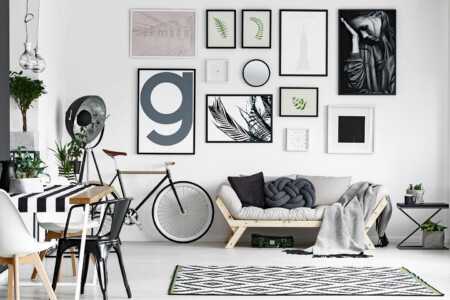
Even compact spaces should feel warm and welcoming. Allow each family member to add personal touches by displaying artwork, photographs, or favorite items in designated spots. Soft cushions, cozy throws, and layered lighting like table lamps or string lights create a relaxing ambiance that counters any sense of confinement.
Comfort is especially important for children who may feel limited by a small space. Providing a small, comfy nook with pillows or a bean bag chair can offer a perfect retreat for reading or quiet time.
Consider practical layouts that promote flow
Space planning is key to coping well with limited square footage. Position furniture so that pathways remain clear and the apartment feels easy to move around in. Avoid cramming too many bulky items, and think about how daily activities interact with the layout. For example, placing the dining area near the kitchenette ensures efficiency during meal prep and family meals.
Sometimes minimalism helps: focusing on essential items while minimizing extra furnishings provides more breathing space for children to play and engage with family members.
Summary of effective strategies
- Choose multi-functional furniture such as sofa beds and storage ottomans.
- Define clear zones for sleeping, studying, playing, and eating.
- Maximize vertical storage with shelves and wall-mounted organizers.
- Use light colors and mirrors to make the space appear larger.
- Establish daily decluttering habits and use labeled storage bins.
- Add personalized, cozy touches to enhance comfort.
- Plan layouts that keep walkways open and functional.
Adapting a small studio apartment for a family with school-age children isn’t just about making do—it’s about smart design that meets everyone’s needs. With these tips, you can create a home environment that balances space, comfort, and functionality, turning even a modest studio into a nurturing place for family life and growth.
Summary of key points
When considering whether a 2 people 1-room studio in Hurghada Sakkala can accommodate families with school-age children, it’s clear that while the space is primarily designed for couples or singles, thoughtful planning can help bridge some gaps. The limited square footage poses challenges for privacy and separate study areas, both crucial for school-age kids. However, with creative use of multifunctional furniture, vertical storage solutions, and clear zoning of activity spaces, families can carve out comfortable living and learning environments within the studio’s footprint.
Maximizing the studio’s potential involves prioritizing organization to reduce clutter and maintaining clear routines tailored to each family member’s needs. Investing in foldable desks, room dividers, or loft beds can transform the space and create designated areas for sleeping, studying, and leisure. Additionally, making use of nearby community resources like parks or libraries in Hurghada Sakkala offers alternative spaces for children to play and engage, reducing reliance on the limited indoor area.
Ultimately, while a 2 people 1-room studio may not be the ideal permanent solution for families with school-age children, it can still work as a temporary or budget-friendly option if approached with intentional space management and flexible daily routines. By focusing on comfort and practicality and embracing creative solutions, families can make the most out of small studio living in Hurghada Sakkala without compromising on the needs of growing children.