Could this 5 people 3-bedroom apartment in Hurghada sakkala meet the needs of families with blended families?
-

 by superadmin
- 19/04/2025
- Hurghada Holiday Apartments
- 0
Assessing the suitability of a 5-person, 3-bedroom apartment in Hurghada sakkala for blended families
Living comfortably in a 3-bedroom apartment in Hurghada sakkala
When considering housing options for a blended family, space and layout are often top priorities. A 5-person, 3-bedroom apartment in Hurghada Sakkala offers specific features that can cater well to the diverse needs of such families. These apartments typically balance common living areas with private bedrooms, making them an interesting choice for families looking to maintain both shared and individual spaces.
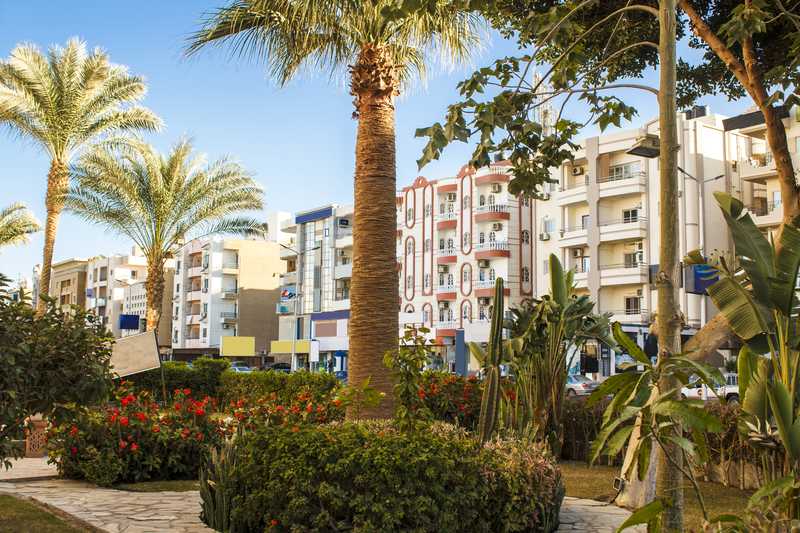
Hurghada Sakkala is known for its accessible location and amenities, which adds to the appeal for families seeking convenience and a friendly neighborhood environment. But the real question is whether the physical space within a 3-bedroom apartment can adequately support the complex dynamics and needs of a blended family of five.
Space allocation and room functionality
For a blended family, bedrooms often need to serve multiple roles. The 3-bedroom layout generally provides one master bedroom and two additional bedrooms. This allows parents to occupy the master suite, while children or stepchildren can be divided between the other rooms based on age, gender, or relationship dynamics. Privacy is essential in blended families, and having a separate bedroom for children helps maintain a sense of independence and comfort for each individual.
Furthermore, the size of the bedrooms matters. In Hurghada Sakkala apartments, rooms can vary, but many offer enough square footage to fit full beds, wardrobes, and study desks, which are often necessary for school-age children. The ability to personalize each bedroom helps children feel at home and respected, which is especially important in blended family setups where cohesion can be delicate.
The living areas in a 3-bedroom apartment also play a crucial role. A spacious living room and dining area encourage family gatherings and social bonding—key for blended families integrating new members while preserving harmony.
Benefits of communal spaces
In addition to individual bedrooms, communal zones like the lounge, kitchen, and perhaps a balcony or terrace contribute significantly to the apartment’s livability. In Hurghada Sakkala, many 3-bedroom apartments include open-plan living areas, which foster interaction without overcrowding. Shared spaces can serve multiple functions: relaxation, meal times, homework sessions, and family discussions.
Also, these zones benefit from natural light and accessibility. They afford children enough room to play indoors and provide a venue for adults to connect, which helps maintain a nurturing environment in blended households.
Kitchen and dining areas
A functional kitchen with enough pantry and storage space is a must-have for families preparing meals for five. Apartments in this neighborhood often come equipped with modern kitchens designed to optimize space and workflow. A well-sized dining area nearby allows the family to enjoy meals together, supporting stronger interpersonal bonds.
Bathrooms and their impact on daily life
Bathrooms are another practical consideration. A 3-bedroom apartment with two bathrooms can ease morning routines and reduce conflicts. This arrangement ensures that parents and children don’t have to wait excessively, which is especially important during busy school and workdays.
Considerations unique to blended families
Blended families sometimes face challenges related to differing routines, privacy needs, and space preferences. A 3-bedroom apartment can address some of these if arranged thoughtfully. For example, assigning bedrooms based on privacy preferences — such as siblings sharing a room, or stepchildren having separate rooms — can minimize tension.
Also, blended families often benefit from flexible spaces. Some apartments in Hurghada Sakkala offer adaptable rooms or corner areas that can be converted into study nooks or play zones. These small touches enhance functionality without requiring extra bedrooms.
Additionally, storage is a key element. Blended families frequently juggle belongings for multiple individuals. Ample storage options, like built-in wardrobes and extra closets typical in apartments here, help keep living areas neat and reduce clutter, supporting a calm atmosphere.
Community and location advantages for families
Beyond the physical apartment, living in Hurghada Sakkala provides a family-friendly ambiance. The area boasts parks, schools, healthcare facilities, and shopping centers nearby. These amenities reduce daily stress on blended families by offering easy access to education and recreational options for children and adults alike.
Moreover, safety and security are often priorities for families with children. Apartment complexes in this region frequently come with secure entrances, surveillance, and sometimes even community activities that encourage social connections among residents. A secure and welcoming environment can greatly support the emotional well-being of a blended family adapting to new life rhythms.
Balancing space efficiency with family needs
While a 5-person, 3-bedroom apartment in Hurghada Sakkala may not provide excessive space, it can be sufficient if designed and used strategically. Emphasizing multi-functional furniture, maximizing vertical storage, and organizing living areas efficiently are key strategies to enhance the apartment’s suitability.
Families should also consider the apartment’s layout carefully before moving in. Open floor plans aid interaction, while clearly defined private zones help maintain respect for personal boundaries. Noise considerations can be addressed by choosing rooms thoughtfully, especially protecting sleeping areas from high-traffic zones.
Final thoughts on suitability
For blended families of five, this type of apartment offers a good balance between private and shared spaces, combined with the benefits of a vibrant neighborhood. While larger homes may offer more room for flexibility, a 3-bedroom apartment in Hurghada Sakkala can meet the needs of blended families if they prioritize thoughtful arrangements and take advantage of the space-saving features available.
Ultimately, the key lies in how the family utilizes the space and integrates their daily lives in this particular apartment environment.
Practical tips for maximizing space and privacy in shared family living arrangements
Maximizing space efficiently in compact family homes
Living with several family members in one household can quickly make a home feel cramped. When multiple generations or blended families share a living space, creating a sense of openness without losing comfort becomes crucial. One of the best strategies is to use multifunctional furniture that doubles up on utility. Think of beds with storage drawers beneath or coffee tables that lift to reveal hidden compartments. These pieces help reduce clutter and free up vital floor space, giving everyone more room to move around.
Another practical approach is to rethink storage options. Vertical storage units can utilize wall space effectively, keeping belongings off the floor and out of the way. Installing shelves high near the ceiling is a smart way to store items you don’t use every day but want to keep accessible. When you maximize vertical space, floor areas feel less crowded, allowing the home to feel larger.
Decluttering regularly is a helpful habit for families sharing tight quarters. When everyone takes responsibility for keeping shared areas neat, it dramatically improves the atmosphere. Use labeled bins or baskets for each person’s belongings to avoid mix-ups and maintain organization. If each member has a designated spot for personal items, it minimizes conflicts and maintains peace.
Innovative room division to enhance privacy
Privacy is often the biggest challenge in shared family living arrangements. To carve out personal sanctuaries, consider employing portable room dividers or lightweight curtains. These solutions can separate a bedroom corner from a living area without major renovations and can be easily moved or adjusted as family needs change. This flexibility ensures that privacy can be increased or decreased whenever necessary.
If possible, arrange bedrooms strategically to reduce noise and interruptions. Place quieter rooms at the far end from common areas like the kitchen or living room. This simple layout adjustment helps keep sleeping spaces calm, especially useful when children or teenagers need uninterrupted rest or study time.
Soundproofing measures such as thick rugs, heavy curtains, or wall panels can also improve privacy by reducing noise transmission between rooms. Even inexpensive additions like draft stoppers under doors help block sound escape, creating a cozier and more private environment.
Shared spaces designed for harmony
Shared spaces like the kitchen, dining, and lounge areas should be thoughtfully planned to promote harmony within the household. Clear boundaries can help families avoid overcrowding and ensure everyone feels comfortable. Designated seating areas or personalized storage cubbies for each family member in the kitchen can lessen conflicts over space.
Creating a family schedule for usage of busy areas like the bathroom or kitchen can prevent traffic jams, especially during morning and evening rush hours. A visual calendar displayed in a common area ensures that all members are aware of their time slots, fostering cooperation and respect.
Storage in shared spaces should be organized with functionality in mind. Label shelves and bins for food, utensils, and personal items to avoid mix-ups. When everyone knows where things belong, daily routines run more smoothly and tensions over disorganization decrease.
Tips for personalizing and respecting individual spaces
Even within a shared bedroom, it is possible to establish individual zones. Using different bedding colors, personal photos, or favorite decorations helps family members feel a sense of ownership amid shared spaces. Personal touches can boost comfort and emotional well-being dramatically.
Encourage family members to communicate openly about their needs and boundaries for privacy and space. Establishing house rules around quiet times, guests, and use of shared resources helps everyone live together more comfortably.
Leveraging outdoor and communal areas
If the home includes a balcony, courtyard, or nearby communal garden, utilize these spaces creatively. Outdoor seating or play areas can extend living space and provide a retreat for family members to unwind away from indoor crowding. Sharing relaxation spots outdoors promotes harmony and offers a refreshing change of scenery.
Technology and lighting considerations
Good lighting can make a small home feel less confined. Use a mix of natural light and soft artificial lighting to brighten up shared areas, while allowing individuals some control of lighting levels in personal rooms. Installing dimmers or using lamps offers flexible lighting options suited to various activities and moods.
Technology also has a role in enhancing privacy and organization. Shared calendars, messaging apps, or task management tools keep everyone on the same page about schedules and household chores. This reduces misunderstandings and helps maintain a smooth household operation.
By combining these practical tips, families living in shared arrangements can create a comfortable and peaceful home. Maximizing space and privacy doesn’t mean sacrificing closeness; thoughtful organization and respect for individual needs help blended families thrive in any living environment.
Summary of key points
Choosing the right home is essential for blended families seeking comfort and harmony, and a 5-person, 3-bedroom apartment in Hurghada Sakkala offers a promising option. Its layout can accommodate the unique dynamics of blended households, providing distinct spaces where each family member feels a sense of belonging. By carefully assessing room distribution and communal areas, families can ensure that privacy needs are met without sacrificing togetherness.
Maximizing space in such an apartment means using creative solutions to create functional zones. Simple strategies like using room dividers, multi-functional furniture, or designated quiet corners can make a big difference in promoting peace and privacy. Open communication about space sharing combined with thoughtful planning helps avoid conflicts and supports healthy relationships within the blended family unit.
Ultimately, a 3-bedroom apartment in this vibrant Hurghada neighborhood can meet the diverse needs of families with children from different backgrounds. It balances the demands of shared living with opportunities for personal space, which is crucial for blended families looking to thrive. When you focus on both the apartment’s potential and practical ways to optimize it, you create a comfortable home environment where every family member can feel secure, valued, and at ease.