Could this 6 persons 3-bedroom apartment in Hurghada Al Ahyaa meet the needs of families with a baby and a toddler?
-
 by superadmin
- 27/04/2025
- Hurghada Holiday Apartments
- 0

Evaluating the suitability of a 6-person 3-bedroom apartment in Hurghada Al Ahyaa for families with a baby and a toddler
Finding the right living space for a family that includes a baby and a toddler requires thoughtful consideration, especially in a vibrant location like Hurghada Al Ahyaa. Many families wonder if a 3-bedroom apartment designed for up to six people can comfortably accommodate the unique needs of young children alongside parents or guardians. Several factors come into play when evaluating if this type of apartment matches the lifestyle and safety requirements vital for families with infants and toddlers.
Space and layout considerations for young children
One of the primary concerns for families with a baby and a toddler is ensuring there is enough living space to provide comfort, safety, and convenience. A 3-bedroom apartment generally offers three separate rooms, which can be allocated strategically:
- Master bedroom: This typically serves the parents and should have space for bedside items related to infant care, such as a crib or bassinet.
- Second bedroom: Ideal for the toddler, this space should be child-proofed with safe furniture edges and secure windows. Allocating a room for the toddler allows for uninterrupted naps and playtime without disturbing the baby or parents.
- Third bedroom: The baby’s nursery, which can include a crib, changing station, and storage for diapers, clothes, and toys.
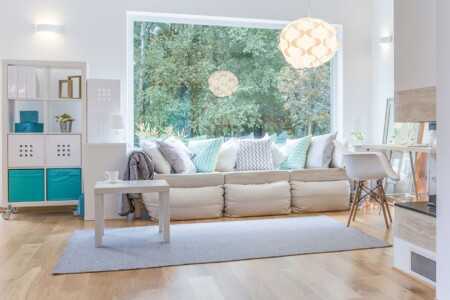
This separation of bedrooms can promote healthy sleep patterns and provide quiet zones necessary for young children. Additionally, the overall apartment size designed for six people usually means shared spaces such as a living room and kitchen are spacious enough to allow for family gatherings and daily activities.
Safety measures and child-friendly features
Safety is non-negotiable when choosing a family home in any location, including Hurghada Al Ahyaa. A 3-bedroom apartment intended for six should ideally be evaluated for certain child-friendly features:
- Window guards and secure balconies: Young children are naturally curious, so having proper barriers prevents accidents.
- Non-slip flooring: Especially important in bathrooms and kitchens to prevent falls.
- Electrical socket covers and child-proofed cabinets: Keeping hazardous items out of reach is essential in all areas of the home.
When such measures are present or easily implemented, this apartment type significantly reduces the risk of injuries, providing peace of mind for parents.
Storage and functionality for busy families
Families with young children require ample storage for toys, clothing, baby gear, and essentials like diapers and feeding supplies. A 3-bedroom apartment designed for six people typically includes enough built-in storage or space for customized solutions. Look for:
- Closets in each bedroom, allowing each family member or child’s items to be neatly organized
- Additional storage areas such as cupboards in the kitchen and hallway closets
- Room to accommodate strollers, baby monitors, and other bulky items without cluttering living spaces
This level of storage and functionality helps maintain an organized living environment, reducing stress for parents managing multiple daily tasks.
Location benefits in Hurghada Al Ahyaa for family living
Beyond the physical apartment itself, the setting of Hurghada Al Ahyaa plays an important role. This area is known for its family-friendly community features, which can enhance life with a baby and a toddler:
- Proximity to parks and playgrounds where toddlers can safely explore and parents can socialize
- Access to pediatric healthcare facilities nearby for routine checkups and emergencies
- Close shopping centers for quick trips to buy baby supplies and groceries
These external factors contribute greatly to the apartment’s suitability for families with young children, offering convenience and support within the neighborhood.
Assessing the apartment’s amenities for family comfort
Apartments intended for six residents often feature amenities that cater to family needs. Consider whether the specific 3-bedroom apartment includes or allows access to:
- Child-safe elevators and well-maintained stairways
- Outdoor communal spaces that are secure and designed for children’s play
- Laundry facilities either inside the unit or within the building to ease daily chores involving baby clothes and toddler messes
Such amenities ease the challenges of parenting and contribute to a more comfortable lifestyle for both adults and children.
A 6-person 3-bedroom apartment in Hurghada Al Ahyaa can indeed meet the needs of families with a baby and a toddler if space, safety, storage, and location factors are carefully evaluated. Ensuring proper room allocation, child-proofing, and leveraging the neighborhood’s family-friendly features will make this apartment type a practical and comfortable home for young families.
Practical tips for creating a child-friendly environment in shared living spaces
Designing safe and accessible spaces for little ones
When living in a shared space, creating an environment that supports the needs of babies and toddlers becomes essential. Safety is the top priority. To start, ensure that all sharp edges on furniture are cushioned using corner guards, and fragile items are kept out of reach. Use outlet covers to protect curious fingers from electrical sockets, and secure heavy furniture like bookshelves and dressers to the walls to prevent tipping.
Organizing your shared living areas with child safety in mind doesn’t have to be complicated. Consider using baby gates in high-traffic zones or near staircases to restrict your toddler’s movement where it might be dangerous. Also, select non-slip rugs or mats in play areas and near entrances to prevent slips and falls, which are common in young children.
Accessibility is equally important. Store frequently used baby items like diapers, wipes, and toys in low, reachable containers. This allows toddlers to independently engage with items under supervision, promoting autonomy and reducing clutter. Keep designated spaces tidy and free from small objects that pose choking hazards.
Optimizing sleep areas in shared living spaces
Rest is vital for both babies and parents. In shared living arrangements, designating a quiet, comfortable sleeping zone can be challenging but rewarding. Use blackout curtains and white noise machines to create a soothing atmosphere that cuts noise from adjacent rooms.
For infants, a crib or bassinet should meet safety standards and fit within the communal bedroom or living room, depending on the setup. If a toddler shares a room with others, consider using room dividers or curtains to create a cozy nook that provides a sense of security and privacy without isolating them completely.
Keep bedding simple and free from excessive plush toys or loose blankets to reduce the risk of suffocation. Maintain consistent nap times and bedtime routines to help children adapt smoothly despite the bustling shared environment.
Maximizing storage solutions to reduce clutter
Shared living spaces often face the challenge of limited storage, which can become overwhelming when adding baby gear and toys. Planning multifunctional furniture with built-in storage helps keep essentials organized and easily accessible.
Use stackable bins or baskets labeled for items like clothes, toys, and feeding supplies. Vertical shelving can utilize wall space efficiently, freeing the floor for movement and play. Make it a habit to regularly declutter by donating or recycling items that children outgrow or no longer use.
Another tip is to coordinate with roommates or family members to create designated storage zones per individual or family, reducing confusion and keeping common areas neat. A tidy environment decreases stress and enhances safety, especially important with crawling babies and active toddlers.
Creating engaging play areas that fit shared living
Play is crucial for development but can quickly consume space in a shared apartment. Design a specific corner or small section of the living area as a play zone with soft mats and easy-to-clean surfaces. Rotate toys regularly to maintain interest and prevent overcrowding.
Incorporate educational and sensory toys that encourage creativity and learning. Group play with siblings or peers can foster social skills, even within limited space. Using foldable or portable play equipment makes it simple to open or close the play area as needed.
Sound management is another consideration. Use soft furnishings that absorb noise, preventing toddlers from becoming overstimulated or disrupting others in the home. Engage toddlers in clean-up routines after playtime to instill responsibility and respect for shared spaces.
Navigating shared bathrooms and feeding zones
For families with babies and toddlers, convenience is key in busy shared housing. Equip bathroom areas with bath seats, non-slip mats, and accessible shelves for toiletries tailored to young children. If multiple families share bathroom facilities, establish a schedule or storage spots to avoid conflicts.
Feeding can be optimized by dedicating a small part of the kitchen or dining area for children’s mealtime. Use child-friendly utensils and seats for safety and comfort. Preparing meals in advance can help streamline routines.
Hygiene is critical. Always use antibacterial wipes or sprays to clean surfaces after meals or diaper changes quickly, especially in communal spaces. Washing hands frequently and using diaper disposal systems help maintain a fresh, welcoming environment.
Effective communication and routine setting for harmonious living
Shared living requires clear communication among all residents when raising a baby or toddler at home. Establish routines that balance everyone’s schedules, including nap times and quiet hours, to minimize disturbances.
Create a shared calendar or notice board for important baby-related events such as doctor visits or special care needs. This openness supports cooperation and understanding, essential for a peaceful household.
Also, respect individual parenting styles and negotiate common space usage that honors everyone’s comfort. Encouraging empathy and patience within shared households fosters a nurturing setting where children can grow happily and safely.
Shaping a child-friendly environment inside a shared living space revolves around safety, organization, and thoughtful design. By proactively addressing these concerns, families with babies and toddlers can enjoy a harmonious and comfortable home regardless of space constraints.
Summary of key points
A 6-person 3-bedroom apartment in Hurghada Al Ahyaa can offer a comfortable and practical living space for families with a baby and a toddler, provided that thoughtful arrangements are made. The apartment’s layout, with multiple bedrooms and ample living areas, naturally accommodates the needs of young children while giving parents the flexibility they require. Careful attention to childproofing and organizing common areas ensures safety and allows for smooth daily routines.
Creating a child-friendly environment in such a shared space involves practical steps like securing furniture, designating safe play zones, and maintaining clear pathways to prevent accidents. Engaging your little ones with age-appropriate toys and keeping essentials within easy reach can further simplify your family’s day-to-day life. Moreover, utilizing storage solutions helps keep clutter at bay, making the living space more manageable and enjoyable for everyone.
Ultimately, by focusing on safety, organization, and comfort, this type of apartment in Hurghada Al Ahyaa can effectively meet the demands of families with young children. It empowers parents to provide a nurturing home environment without sacrificing the conveniences of modern living. If you’re considering this option, taking the time to tailor the space according to your children’s needs will make all the difference in ensuring a happy, safe, and harmonious family home.